


 DIFFERENCE

Get Your Tires Winter-Ready Before the First Snowfall
Get Your Tires Winter-Ready Before the First Snowfall
Your tires are the only thing connecting your vehicle to an icy Central Wisconsin road. Here is how to make sure they are up to the job this winter.
Before winter hits, check four things: tire pressure, tread depth, tire condition, and whether your tires are the right type for cold-weather driving. If your tread is at or below 4/32″, it is time to start shopping. Stop in and we will take a look for you.
Why Fall Is the Time to Check
Wisconsin winters do not give you much warning. One morning it is frost on the windshield, and the next you are white-knuckling it down Highway 10 in a snow squall. Tires do the heavy lifting when it comes to stopping, steering, and getting moving from a stop sign, and cold temperatures make every one of those jobs harder.
The good news is that a little attention in October or early November goes a long way. Waiting until the first storm means long lines at the shop and picked-over tire inventory. Getting ahead of it keeps you safer and usually saves you a headache.
Your Winter Tire Checklist
Check the Pressure
Cold air shrinks the air inside your tires. Check monthly, and always when the tires are cold.
Measure the Tread
Deep grooves push snow and slush out from under the tire. Shallow ones cannot keep up.
Inspect for Damage
Look for cracks, bulges, nails, and uneven wear before cold weather makes small problems bigger.
Rotate and Align
Even wear means even grip. A rotation and alignment check keeps all four tires working together.
Tire Pressure: The Easiest Fix
Tires lose roughly one PSI for every 10 degree drop in outside temperature. That means a tire that was perfectly inflated on a 70 degree September afternoon can be several pounds low on a 10 degree January morning. Underinflated tires wear faster, hurt your fuel economy, and do not grip the road the way they should.
Do not go by the number on the tire sidewall. That is the maximum pressure, not the recommended one. Look for the sticker on your driver’s door jamb, or check your owner’s manual, for the right number for your vehicle. Check when the tires are cold, ideally before you drive, and top them off as needed. Do not forget the spare.
Tread Depth: Try the Quarter Test
New tires start around 10/32″ of tread. The legal minimum is 2/32″, but for snow and slush, you want a lot more than that. Most tire experts recommend replacing tires for winter driving once they reach about 4/32″.
Here is an easy check you can do in the driveway:
| Test | What You See | What It Means |
|---|---|---|
| Penny (Lincoln head down) | You can see all of his head | Under 2/32″. Replace now. |
| Quarter (Washington head down) | You can see all of his head | Under 4/32″. Start planning for new tires. |
| Quarter | His head is partly covered | Over 4/32″. You are in decent shape. |
Check several spots across each tire, not just one. Uneven wear can be a sign of alignment or pressure problems that need attention.
Winter Tires vs. All-Season Tires
All-season tires are a good fit for many drivers, but they are built to be a compromise. Once temperatures settle below about 45 degrees, the rubber compound in all-season tires starts to stiffen and lose grip. Dedicated winter tires use a softer compound that stays flexible in the cold, plus deeper tread and thousands of tiny slits called sipes that bite into snow and ice.
If you regularly drive rural roads, have a long commute, or just want more confidence on ice, winter tires are worth a serious look. If you do go with winter tires, install a full set of four. Mixing winter tires on one axle with all-seasons on the other can affect how your vehicle handles.
A Few More Things Worth Doing
- Rotate your tires every 5,000 to 7,500 miles, or as your owner’s manual recommends.
- Have your alignment checked if the vehicle pulls to one side or the steering wheel sits off-center.
- Keep an eye on your TPMS light. When it comes on during a cold snap, do not ignore it.
- Look at your tire age. Tires older than about six years deserve a close inspection, even if the tread looks fine.
- Pack a winter kit with an ice scraper, a small shovel, a flashlight, jumper cables, and a blanket.
Common Questions
When should I switch to winter tires?
A good rule of thumb is when daytime temperatures are consistently near or below 45 degrees. In Central Wisconsin, that is usually late October through mid-November.
Do I need winter tires if I have all-wheel drive or 4WD?
AWD and 4WD help you get going, but they do not help you stop or turn any better. Your tires are what grip the road when you brake and steer, so good tires matter no matter what you drive.
How often should I check my tire pressure in winter?
At least once a month, and any time there is a big temperature swing. It only takes a couple of minutes.
Can I just add air when the TPMS light comes on?
Yes, but check all four tires and the spare. If the light keeps coming back, you may have a slow leak, and it is worth having us take a look.
Let Us Take a Look
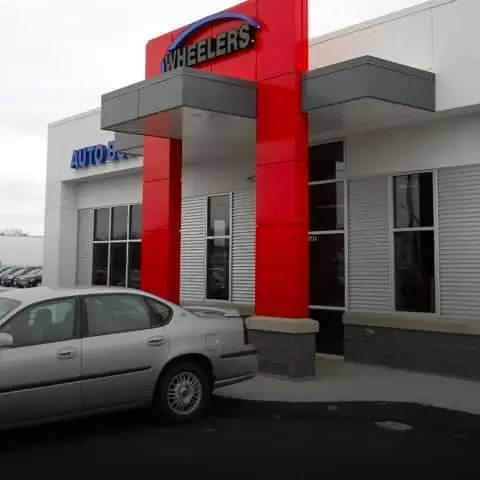
Our team at Wheelers GMC of Marshfield can inspect your tires, check your pressure, and help you find the right set for winter. We recommend a tire inspection at least once a season or before any long trip.
Tire pressure and tread guidance are general recommendations. Always follow your vehicle owner’s manual and the tire placard on your driver’s door jamb for your specific vehicle.




0 comment(s) so far on Get Your Tires Winter-Ready Before the First Snowfall