


 DIFFERENCE

How to Tell If Winter Road Salt Has Damaged Your Vehicle
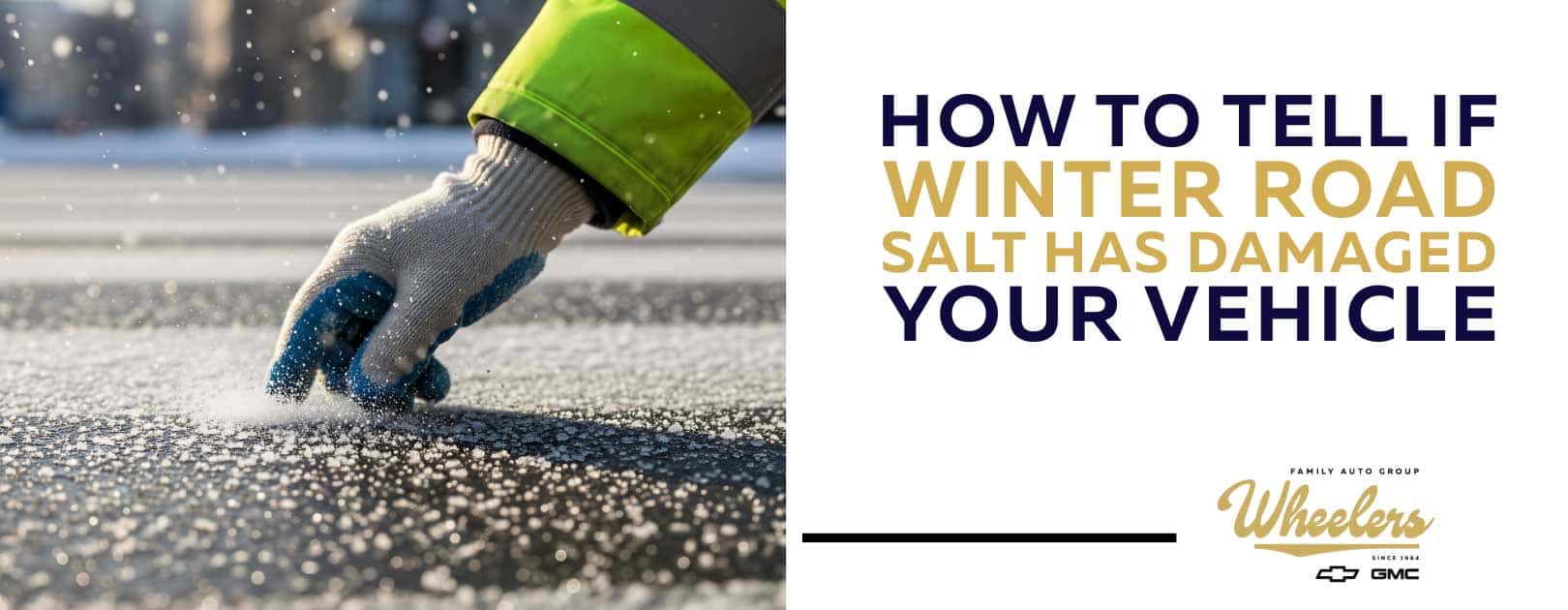
How to Tell If Winter Road Salt Has Damaged Your Vehicle
Winter in Wisconsin can be tough on more than just drivers. Snow, ice, slush, and freezing temperatures all take a toll on your vehicle, but road salt is often one of the biggest culprits. While salt helps make roads safer during winter, it can also quietly cause damage to your car, truck, or SUV over time.
By the time spring rolls around, many drivers are focused on washing off the grime and getting ready for warmer weather. What they may not realize is that leftover salt buildup can continue affecting key parts of the vehicle long after winter ends.
Here are some of the most common signs that winter road salt may have damaged your vehicle and what you should do about it.
Why Road Salt Is Hard on Vehicles
Road salt is effective because it lowers the freezing point of water, helping prevent icy roads. The downside is that salt sticks easily to your vehicle’s exterior and undercarriage. When moisture and salt combine, they can speed up corrosion and wear on metal components.
That means damage may show up in places you do not always see right away, especially underneath the vehicle.
1. Rust Spots on the Body or Undercarriage
One of the clearest signs of salt damage is rust. At first, rust might show up as small bubbles in the paint, discoloration near wheel wells, or orange-brown spots on metal surfaces. Over time, it can spread and weaken important vehicle components.
Areas especially vulnerable to rust include:
- Wheel wells
- Door edges
- Rocker panels
- The undercarriage
- Exhaust components
- Frame areas on trucks and SUVs
A quick car wash helps, but if salt has been sitting on the vehicle all winter, it is smart to have the underbody inspected.
2. Corrosion Around the Battery
Salt and moisture can also contribute to corrosion under the hood. If you notice a chalky or crusty buildup around your battery terminals, that could be a sign of corrosion. Left alone, it may affect battery performance and make it harder for your vehicle to start reliably.
Spring is a good time to have your battery checked, especially after a long Wisconsin winter.
3. Brake Performance Feels Different
If your brakes feel rough, sound louder than usual, or seem less responsive, winter conditions may be part of the reason. Salt, moisture, and grime can build up around brake components and contribute to wear.
Signs to watch for include:
- Squeaking or grinding noises
- Pulsing when braking
- Reduced stopping confidence
- Visible rust on brake components
Brake issues are not something to ignore. A spring brake inspection can help catch wear before it turns into a more expensive repair.
4. You Hear More Rattling or Exhaust Noise
Your exhaust system is exposed to everything the road throws at it, including salt, slush, and moisture. That makes it especially vulnerable during winter. If your vehicle suddenly sounds louder than normal or you hear rattling underneath, it could point to rust or corrosion affecting the exhaust system.
This is especially common in older vehicles or vehicles that have seen several Wisconsin winters.
5. Paint Damage or Peeling in Problem Areas
Road salt does not just attack the underside of your vehicle. It can also wear down paint and protective finishes on the exterior. Chips and scratches become more serious when salt gets into them, creating the perfect starting point for rust.
Pay close attention to:
- The front hood area
- Lower door panels
- Around the trunk or tailgate
- Near the wheel arches
Catching paint damage early can help prevent bigger body issues later.
6. Stiff or Noisy Suspension Components
Potholes get a lot of attention in spring, but salt can also affect suspension and steering parts. Corrosion on metal components underneath the vehicle can contribute to wear and may lead to clunking sounds, rougher handling, or a less comfortable ride.
If your vehicle feels different after winter, it is worth having it checked out.
What You Can Do to Protect Your Vehicle
The good news is that a little spring maintenance can go a long way. If you are concerned about winter salt damage, here are a few smart next steps:
- Get a thorough exterior and undercarriage wash
- Inspect the body for chips, rust spots, or bubbling paint
- Schedule a brake inspection
- Have your battery tested
- Check the exhaust and underbody for corrosion
- Stay current on routine service
Even if everything seems fine, a professional inspection can help spot early warning signs before they become bigger problems.
A Little Prevention Now Can Save You Later
Winter road salt is part of driving in Wisconsin, but lasting damage does not have to be. Taking time to inspect your vehicle in spring can help protect its appearance, performance, and long-term value.
If your car, truck, or SUV has been through a tough winter, the service team at Wheeler’s Family Auto Group is here to help. From inspections and brake service to routine maintenance, our team can help make sure your vehicle is ready for the road ahead.
Schedule your spring service appointment with Wheeler’s Family Auto Group today.


0 comment(s) so far on How to Tell If Winter Road Salt Has Damaged Your Vehicle