


 DIFFERENCE

Things to Check on Your Vehicle After a Blizzard
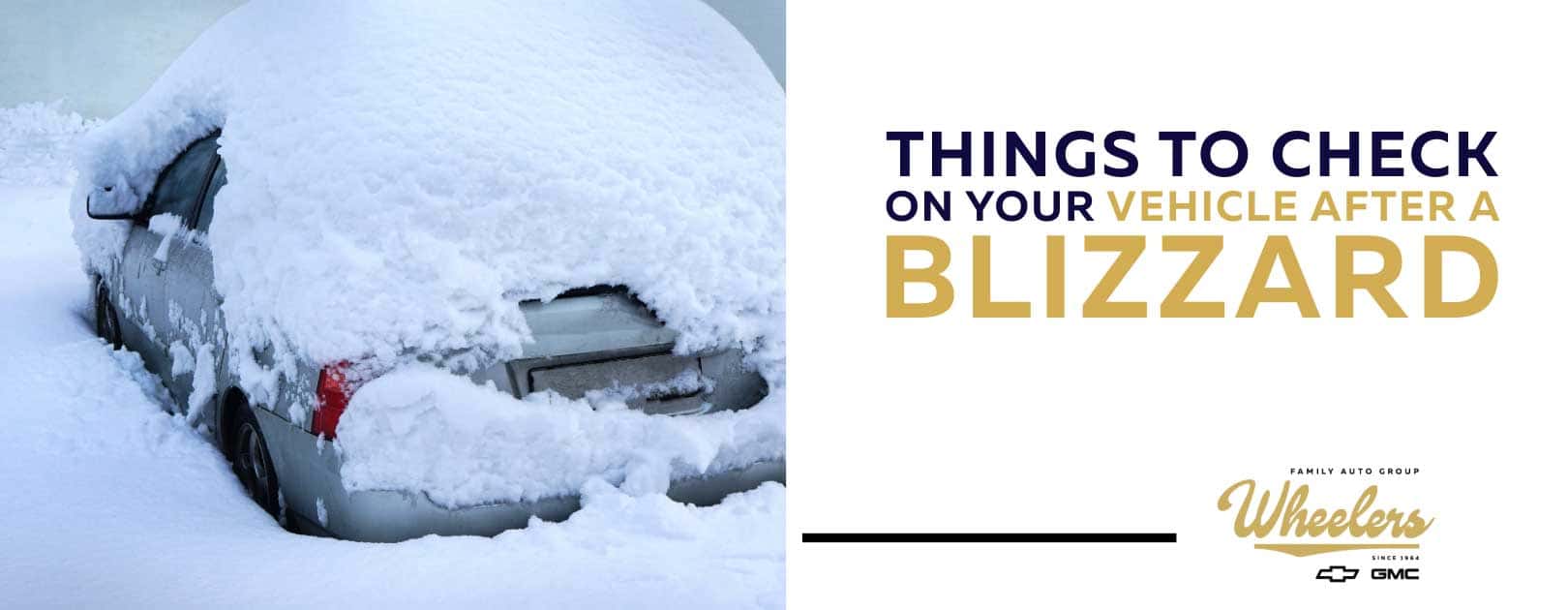
Things to Check on Your Vehicle After a Blizzard
A blizzard can leave more than a layer of snow on your vehicle. Freezing temperatures, packed snow, road salt, ice, and hidden debris can all create problems that affect safety, performance, and long-term reliability. Whether you drive a daily commuter, pickup, SUV, or off-road rig, a full post-blizzard vehicle check is one of the smartest things you can do before getting back on the road.
This guide covers the most important things to check on your vehicle after a blizzard so you can spot issues early, avoid costly repairs, and drive with confidence.
Why a Post-Blizzard Vehicle Check Matters
Winter storms put extra stress on nearly every part of a vehicle. Snow and ice can block critical components, cold weather can reduce battery power, tire pressure often drops, and salt can speed up corrosion underneath your car or truck.
After a blizzard, a quick inspection can help you:
- Improve winter driving safety
- Prevent breakdowns
- Protect your battery and tires
- Reduce rust and salt damage
- Catch small issues before they turn into expensive repairs
1. Check Your Battery First
Cold weather is hard on car batteries. If your battery was already weak before the storm, a blizzard can push it over the edge.
Look for:
- Slow engine cranking
- Dim headlights
- Warning lights on the dash
- Corrosion on battery terminals
If your vehicle struggles to start after the storm, test the battery as soon as possible. For off-roaders and truck owners running extra lights, winches, or accessories, battery condition is even more important in winter.
2. Inspect Your Tires and Tire Pressure
Tires are one of the most important things to check on your vehicle after a blizzard. Cold air lowers tire pressure, and driving through snow, slush, and icy roads can hide damage.
Check for:
- Low tire pressure
- Uneven tread wear
- Cuts, cracks, or punctures
- Snow packed into the wheel wells
- Objects stuck in the tread
Make sure all four tires are inflated to the manufacturer’s recommended PSI. Do not forget to inspect the spare tire too, especially if you drive in remote areas or take your rig off-road.
3. Clear Snow and Ice from Lights and Sensors
Packed snow and ice can block visibility and interfere with safety systems. Before driving, make sure your vehicle is fully cleared off, not just the windshield.
Check and clean:
- Headlights
- Taillights
- Brake lights
- Turn signals
- Backup camera
- Parking sensors
- Radar or driver-assist sensors
- Mirrors and windows
If your lights are dim behind a layer of ice or snow, other drivers may not see you clearly in bad weather.
4. Examine Your Windshield Wipers and Washer Fluid
Blizzards are tough on wiper blades. Ice buildup can tear the rubber, and road spray can make visibility worse if your washer fluid is low or frozen.
Inspect for:
- Cracked or torn wiper blades
- Streaking or skipping across the glass
- Low washer fluid
- Frozen washer nozzles
Use winter-grade washer fluid that is designed for freezing temperatures. If your blades are worn, replace them before the next storm.
5. Look Under the Vehicle for Ice and Debris
Snow and ice can collect under your vehicle, especially around the suspension, skid plates, wheel wells, mud flaps, and underbody components. For wheelers, this matters even more because deeper snow and rough conditions can pack in debris where it is harder to see.
Look for:
- Chunks of ice hanging underneath
- Packed snow near the brakes
- Loose splash shields
- Branches or road debris caught underneath
- Damage to skid plates or undercarriage parts
If something feels off while driving, like vibration, scraping, or pulling, inspect underneath before it gets worse.
6. Check Your Brakes
Wet, icy, and salty conditions can affect braking performance. Snow can also pack around the wheels and brake components.
Pay attention to:
- Grinding sounds
- Squealing
- A soft brake pedal
- Vibration when braking
- Reduced stopping power
If your brakes do not feel normal after a blizzard, get them inspected right away. Safe stopping is critical on winter roads.
7. Inspect Fluid Levels
Extreme cold can affect several vehicle fluids. After a blizzard, it is a good idea to check the basics, especially if you have been idling longer than usual or driving in difficult conditions.
Check:
- Engine oil
- Coolant
- Brake fluid
- Power steering fluid
- Windshield washer fluid
- Transmission fluid if applicable
Low or dirty fluids can make winter driving harder on your engine and drivetrain. Coolant is especially important because it helps protect your engine from freezing.
8. Wash Off Road Salt as Soon as Possible
One of the most overlooked things to check on your vehicle after a blizzard is salt exposure. Road salt and de-icing chemicals can quickly lead to rust, especially on the undercarriage.
Focus on cleaning:
- Wheel wells
- Rocker panels
- Underbody
- Frame rails
- Suspension parts
- Bumpers and trim
A thorough wash helps remove corrosive buildup before it starts damaging metal components. If you own a truck, Jeep, or off-road vehicle, regular winter underbody washes are especially important.
9. Test Your Heater and Defroster
After a blizzard, your heater and defroster need to work properly for both comfort and safety. Poor windshield defrosting can reduce visibility fast.
Make sure:
- Heat comes on normally
- Front and rear defrosters work
- Airflow is strong
- Windows clear properly
If your cabin takes too long to warm up or the windshield stays fogged or frosted, it may point to a cooling system or HVAC issue.
10. Check Door Seals, Locks, and Handles
Ice and freezing moisture can affect door seals, locks, and handles. This is a common issue after a major winter storm.
Inspect for:
- Frozen door seals
- Stiff or stuck locks
- Handles that do not return properly
- Moisture intrusion inside the cabin
A damaged seal can let in cold air and water, making future storms even more of a problem.
11. Look for Body Damage and Hidden Scratches
Snowbanks, ice chunks, and poor visibility during a blizzard can lead to small impacts you may not notice right away.
Walk around your vehicle and check for:
- Dents
- Bumper damage
- Scratched paint
- Cracked trim
- Loose fender liners
- Damaged mirrors
Catching cosmetic damage early matters because chipped paint can turn into rust spots later.
12. Don’t Ignore Warning Lights
If any dashboard warning lights came on during or after the storm, do not brush them off. Winter weather can trigger issues with tire pressure monitoring systems, batteries, ABS, traction control, and sensors.
Common warnings to watch for include:
- Check engine light
- Battery light
- Tire pressure light
- ABS light
- Traction control light
A quick scan can help identify whether the issue is minor or something that needs immediate attention.
Post-Blizzard Vehicle Checklist for Wheelers
If you want a fast routine, here is a simple checklist to go through after a blizzard:
- Start the vehicle and listen for anything unusual
- Check battery strength and starting performance
- Inspect tire pressure and tread
- Clear all snow and ice from lights, windows, and sensors
- Test wipers and refill winter washer fluid
- Inspect brakes for noise or poor response
- Check underbody for packed snow, ice, or damage
- Confirm fluid levels are where they should be
- Wash off road salt, especially underneath
- Test heater and defroster
- Inspect doors, seals, and locks
- Look for warning lights or body damage
Final Thoughts
Knowing the right things to check on your vehicle after a blizzard can save you money, improve safety, and help your vehicle recover from harsh winter conditions. Even a short inspection makes a difference, especially when snow, ice, and salt have had a chance to build up.
For wheelers, truck owners, and everyday drivers alike, a post-blizzard check should be part of every winter routine. A few extra minutes in the driveway can help prevent bigger problems down the road.
Schedule a service appointment with Wheeler’s Family Auto Group today.


0 comment(s) so far on Things to Check on Your Vehicle After a Blizzard